AI & IoT

Smart Washroom

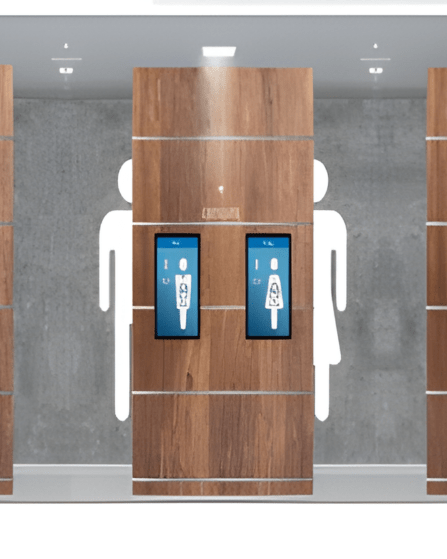
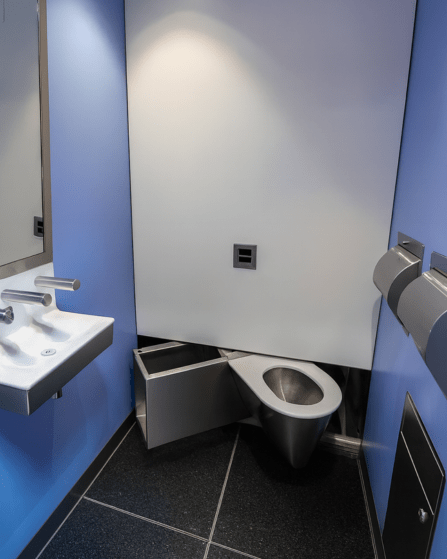
A Smart Washroom refers to an intelligent restroom management system that uses automation, sensors, and data analytics to improve hygiene, user experience, and facility operations. It is especially valuable in public places such as malls, airports, hospitals, corporate offices, and smart city infrastructure.

Where Smart Washrooms Are Used

  • Airports, metro stations, railway terminals

  • Hotels, shopping malls & cinemas

  • Hospitals and medical facilities

  • Corporate and government buildings

  • Stadiums and convention centers

  • Smart city spaces

Smart Features (Typical System Capabilities)

FeatureDescription
Occupancy SensorsDetect which stalls or urinals are in use and optimize traffic flow.
Hand Hygiene MonitoringEnsures soap, sanitizer, and water availability with refill alerts.
Cleaning Alerts & SchedulingSensor-triggered notifications when areas need cleaning.
Air Quality MonitoringTracks odor, humidity, and CO₂ for ventilation control.
Consumables TrackingTracks toilet paper, tissues, soap levels to prevent shortages.

Smart Waste Management

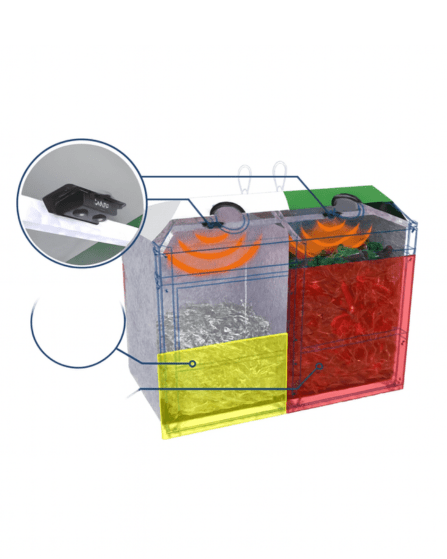
Smart waste management systems usually include:

  • Fill-level sensors: ultrasonic, weight, or infrared sensors that detect how much of the bin is occupied.

  • Connectivity: IoT modules (e.g. cellular, LoRaWAN, NB-IoT) that send fill status & alerts to cloud/platform.

  • Real-time monitoring: dashboards or apps for facility operators/municipal services to see which bins need emptying.

  • Optimized routing: collection trucks are dispatched only when bins near capacity — reducing unnecessary trips.

  • Data analytics & reporting: usage trends, waste volumes, peak times, to help optimize bin placement, collection frequency, resource planning.

Case Study: How It Could Work End to End

  • Bins are fitted with IoT sensors.

  • As people throw trash, sensors monitor fill-level in real time.

  • When the fill-level passes a threshold (e.g. 80%), the device sends alert/data to central platform.

  • The platform aggregates data across all bins — identifies which bins need servicing.

  • Waste collection crew gets optimized route — only visits bins that need emptying.

  • After collection, bins reset; data log records fill history, helping analyze patterns (peak times, busiest bins, waste accumulation rates).