
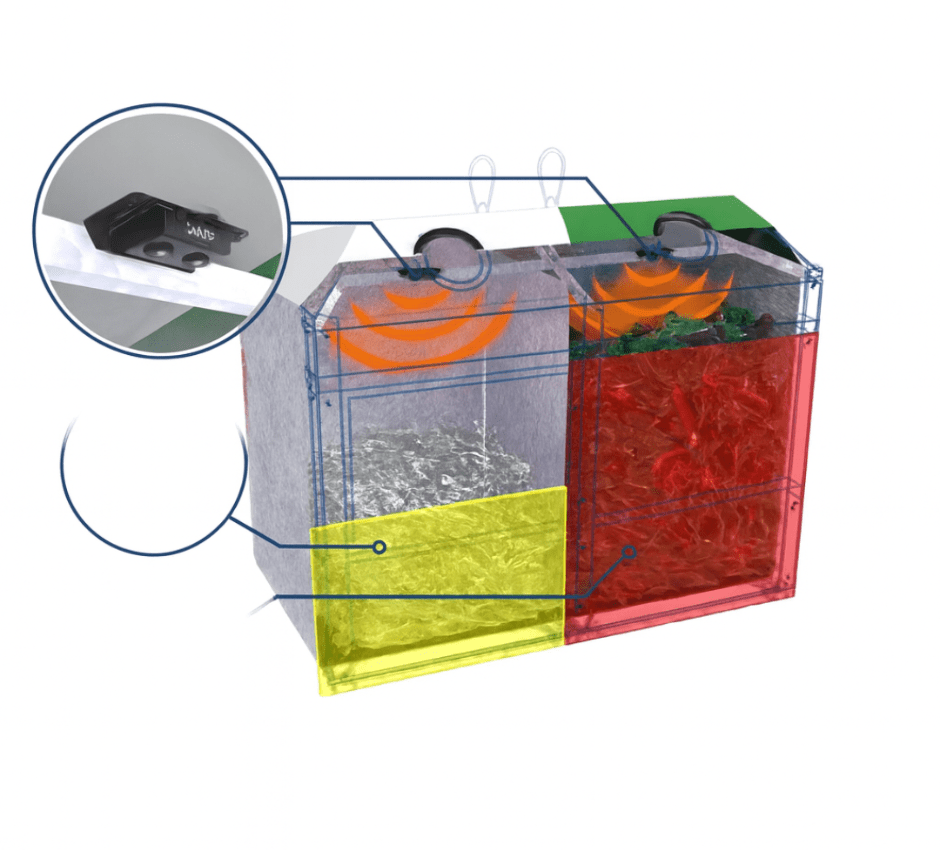
Smart Waste Management represents the next evolution in urban cleanliness and environmental responsibility. By integrating sensors, automation, and data analytics, cities and organizations can manage waste more efficiently while reducing environmental impact.
How It Works
Smart waste systems typically include sensor-equipped bins that monitor fill levels in real time. When a bin reaches a certain capacity, the system automatically notifies collection teams. This eliminates unnecessary trips and optimizes collection routes.
Key Benefits
Improved Efficiency
Collection routes are optimized using real-time data, reducing fuel consumption and operational costs.
Reduced Environmental Impact
Fewer collection trips mean lower carbon emissions and better air quality.
Better Hygiene and Cleanliness
Overflowing bins are minimized, reducing health risks and improving public spaces.
Data-Driven Decision Making
Authorities can analyze waste patterns to improve recycling strategies and resource allocation.
Applications
- Smart cities and municipalities
- Corporate campuses
- Airports and railway stations
- Shopping centers and large facilities
Smart Waste Management is not just about waste collection; it is about building cleaner, more sustainable communities through intelligent infrastructure.