
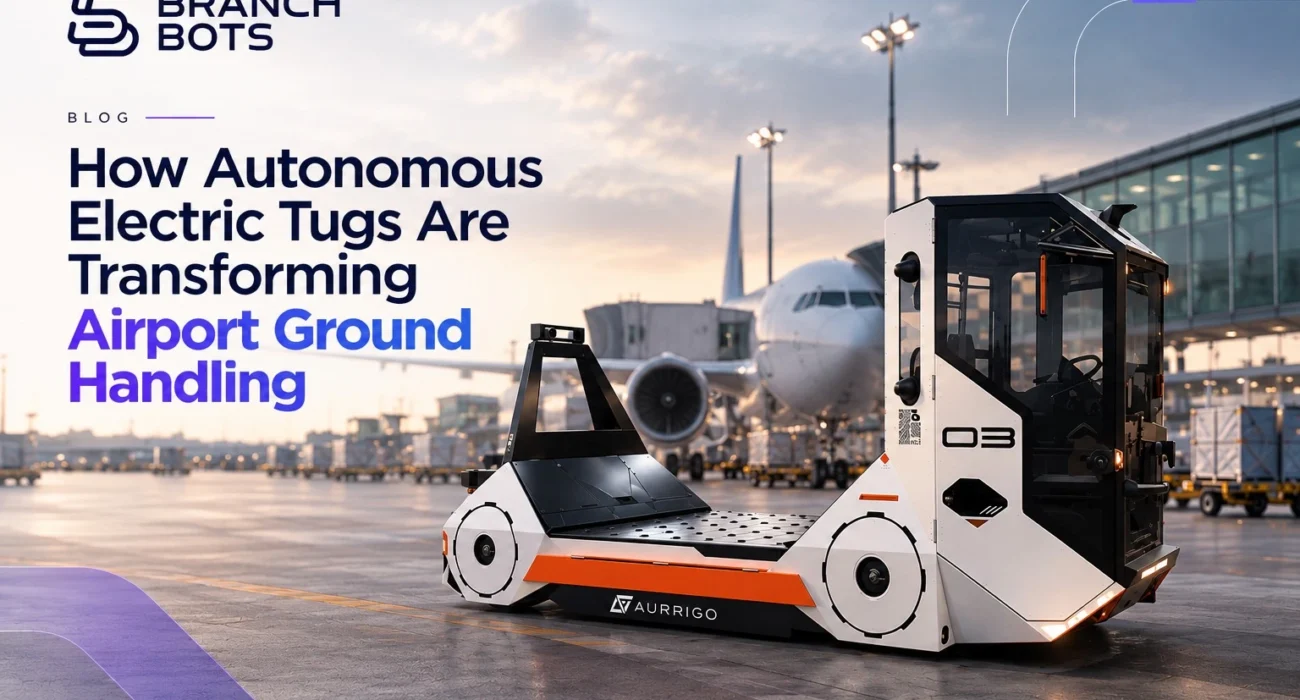
How Autonomous Electric Tugs Are Transforming Airport Ground
Handling Airports operate under constant time pressure. Baggage and cargo must move between terminals, sorting areas, cargo facilities, and aircraft while teams coordinate multiple tasks across busy operational environments. As passenger and freight demand grows, airport operators are exploring ways to make ground handling more consistent, efficient, and sustainable. One technology attracting attention is the autonomous electric tug: a vehicle designed to transport baggage carts, cargo dollies, or unit load devices (ULDs) along defined routes with varying levels of human supervision. When introduced carefully, these vehicles can support repetitive transport tasks and help ground teams focus on work that requires human judgement and coordination.
What Are Autonomous Electric Tugs?
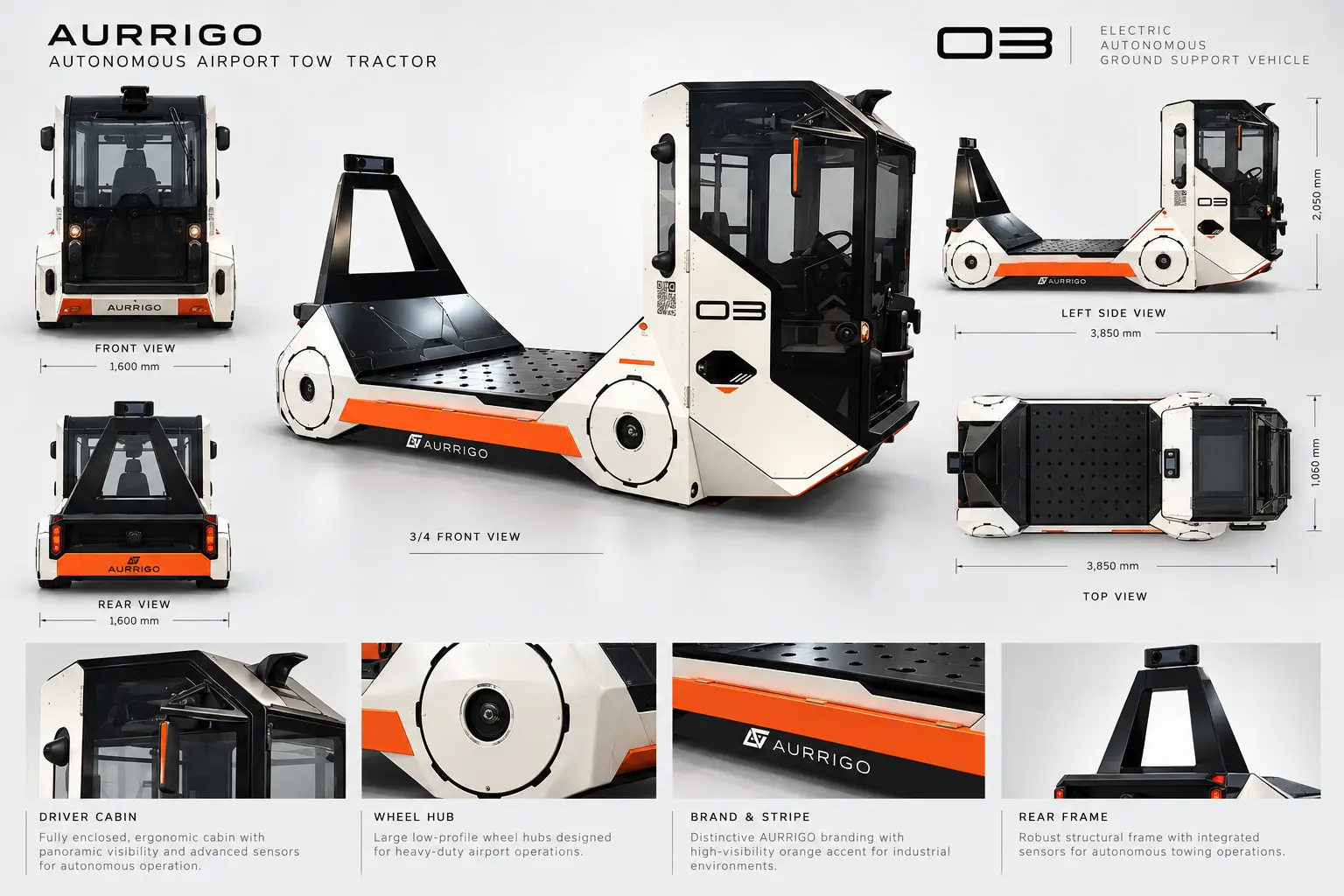
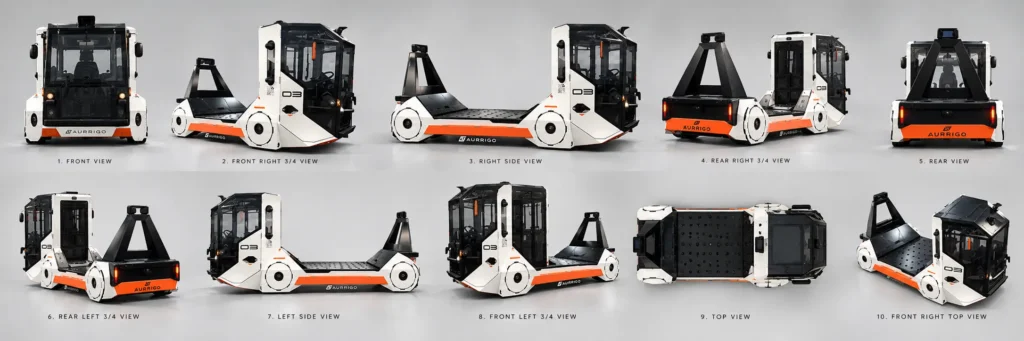
Autonomous electric tugs are battery-powered ground vehicles that use navigation, sensing, control software, and safety systems to move loads between designated locations. Depending on the vehicle and operating environment, they may follow mapped routes, respond to obstacles, communicate with fleet-management systems, and operate with remote or on-site supervision. In airport environments, potential applications include moving baggage containers between handling areas, transporting cargo dollies, and supporting other predictable ground-support routes. The level of autonomy varies by system and site; not every vehicle operates without human oversight.
Why Airport Ground Handling Needs Smarter Automation
Ground handling involves many time-sensitive, repeatable movements. Vehicles share space with staff, service equipment, baggage carts, and aircraft-related operations. Delays in one part of the process can affect connected activities, making coordination and predictable transport important. Automation is not a universal replacement for people or existing equipment. Instead, it can be evaluated as one part of a broader operating model—particularly where routes are repetitive, demand is measurable, and the operating environment can be controlled.
Key Benefits to Evaluate
- More consistent baggage and cargo movement
Autonomous tugs can be assigned to repeatable transport tasks and scheduled routes. When integrated effectively, this may help make movement between designated points more predictable and reduce unnecessary manual driving on suitable routes.
- Support for efficient turnaround operations
Airport turnaround depends on many teams and processes working in sequence. Reliable movement of baggage and cargo can support that wider process, although the actual effect on turnaround time depends on route design, fleet availability, loading procedures, and coordination with other ground services.
- Better use of staff time
By automating selected repetitive movements, operators may be able to redeploy staff to tasks that require decision-making, exception handling, customer service, or specialist operational skills. Workforce planning and training remain essential to achieving this benefit.
- Potential environmental and maintenance advantages
Electric vehicles produce no tailpipe emissions during operation and may reduce local noise compared with some conventional alternatives. Total environmental impact depends on electricity sources, charging practices, vehicle utilisation, battery life, and the equipment being replaced. Operators should assess these factors rather than assume the same savings at every airport.
- Greater operational visibility
When connected to suitable fleet-management tools, autonomous vehicles may provide information about task status, route activity, utilisation, and exceptions. This information can help teams identify bottlenecks and plan resources, provided the data is accurate and integrated with existing workflows.
How Autonomous Tugs Can Support ULD Transport
Unit load devices (ULDs) are containers or pallets used to group baggage and cargo for air transport. A typical automated transport workflow may include the following steps: A task is assigned through an approved dispatch or fleet-management process.
The vehicle travels along a mapped or otherwise validated route to the collection point.
Staff or compatible equipment secure and connect the load according to operating procedures.
The vehicle transports the load to the designated destination while using its configured safety and monitoring systems. The delivery is confirmed, and the vehicle is assigned another task or returns to a staging or charging area.
The exact workflow depends on the vehicle, coupling system, cargo equipment, software integrations, and local procedures. Human intervention may still be needed for loading, exceptions, traffic management, and other operational decisions.
Safety and Integration Must Come First
Airport environments are complex. Vehicles may need to operate around people, moving equipment, changing traffic patterns, restricted zones, and aircraft-related activity. Before deployment, airport operators should assess the operating area, validate routes, define supervision and emergency procedures, train staff, and coordinate with the relevant airport and aviation authorities. Integration also matters. A vehicle must work with the site’s dispatch processes, cargo equipment, communications infrastructure, and operational rules. Radio-frequency conditions, system interoperability, obstacle handling, and safe behaviour in mixed traffic should be considered during planning and testing. A phased approach—starting in a controlled, low-risk area and expanding only after testing and approvals—can help teams understand the technology and manage risk. Requirements differ by country, airport, and operating zone, so there is no single deployment plan suitable for every site.
How to Evaluate the Business Case
Before investing, operators should establish a baseline and define measurable objectives. Useful questions include: Which transport routes are repetitive, predictable, and suitable for automation?
How many trips, operating hours, and manual vehicle movements occur on those routes today?
What vehicle capacity, charging time, and availability are required to meet demand?
What infrastructure, software integration, training, maintenance, and safety-validation costs will be involved? How will success be measured—for example, task completion time, utilisation, service consistency, incidents, energy use, and total cost per movement? A pilot can help validate assumptions before a larger rollout. The business case should account for the full operating lifecycle, not just the purchase price of the vehicle.
The Future of Connected Ground Handling
Autonomous vehicles are one element of the wider move toward connected airport operations. Over time, carefully integrated fleets may work alongside digital task management, asset tracking, and operational analytics to give teams a clearer picture of ground activity. Progress will depend on practical performance, reliable integration, appropriate regulation, and trust from the people who operate and work around these systems. The strongest deployments will be those that solve a clearly defined operational problem while maintaining robust safety practices.
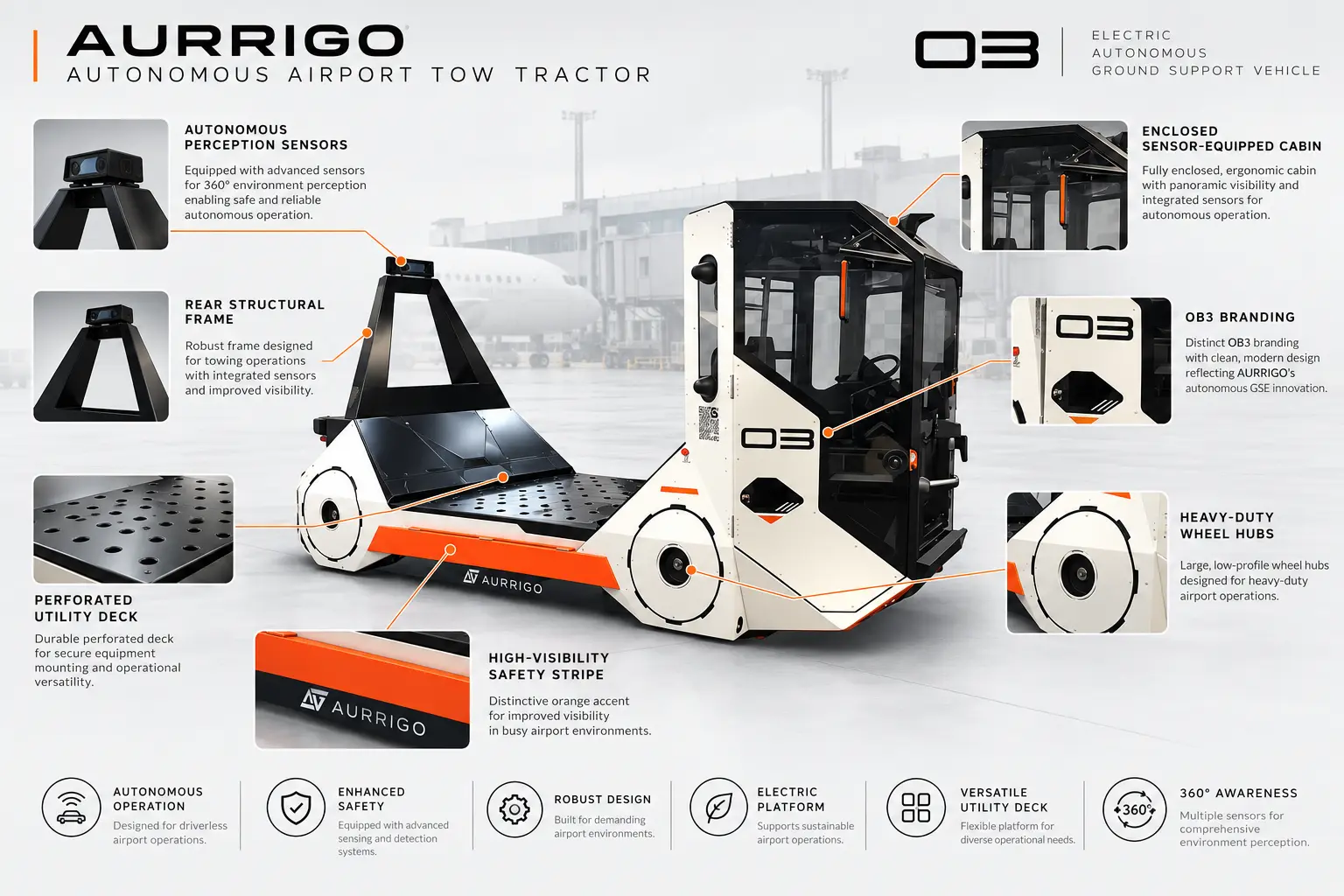
Explore Smarter Automation with Branch Bots
Branch Bots works across robotics automation, autonomous mobility, and AI and IoT solutions. Organizations exploring automation can review the relevant solution areas and contact the team to discuss their operational requirements. Autonomous Mobility — https://branchbots.com/autonomous-mobility/ AI & IoT Solutions — https://branchbots.com/iot-ai-solution/ Contact Branch Bots — https://branchbots.com/contact-us/ The right automation strategy starts with the right use case. By evaluating workflows, integration needs, safety requirements, and measurable outcomes, airport operators can make better-informed decisions about where autonomous ground vehicles may add value.